Understanding Mini Split AC Systems
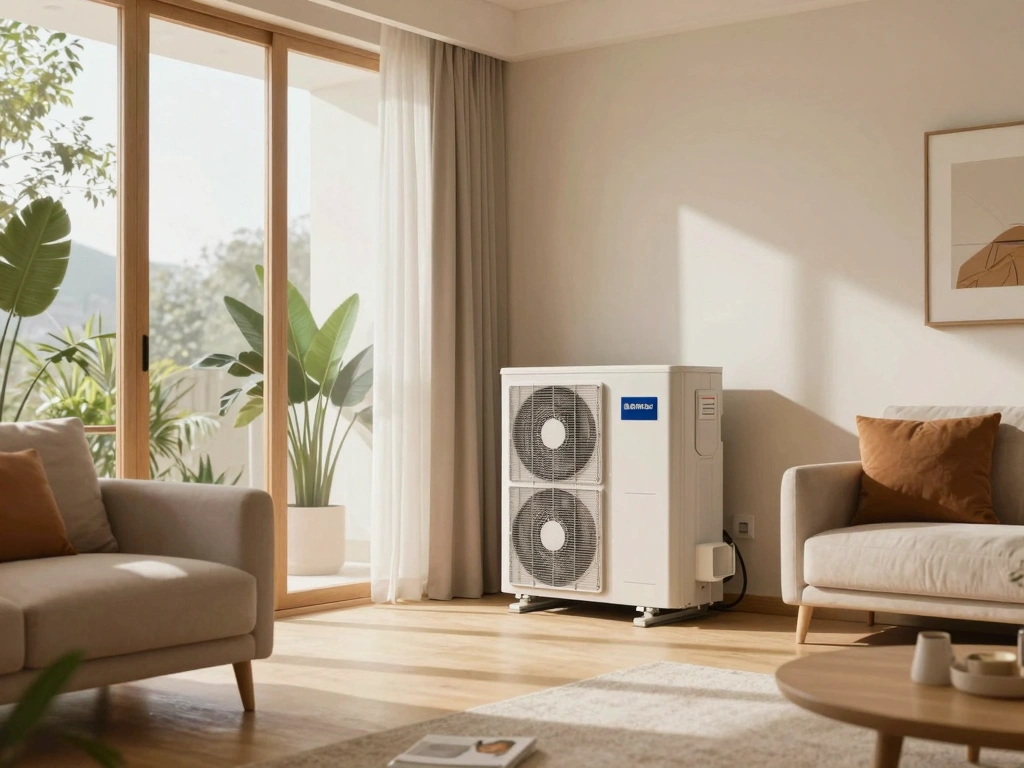
Mini split air conditioning systems, also known as ductless systems, have gained widespread popularity among homeowners and businesses alike due to their efficiency and flexibility. Unlike traditional HVAC systems that rely on ductwork to distribute air, mini split ACs consist of two main components: an outdoor condenser and one or more indoor air handling units. This design allows for targeted cooling and heating in specific areas of a home or building, making them an ideal solution for climates that experience extreme temperatures. When exploring options, mini split ac systems provide comprehensive insights into energy-efficient temperature control for various spaces.
What is a Mini Split AC?
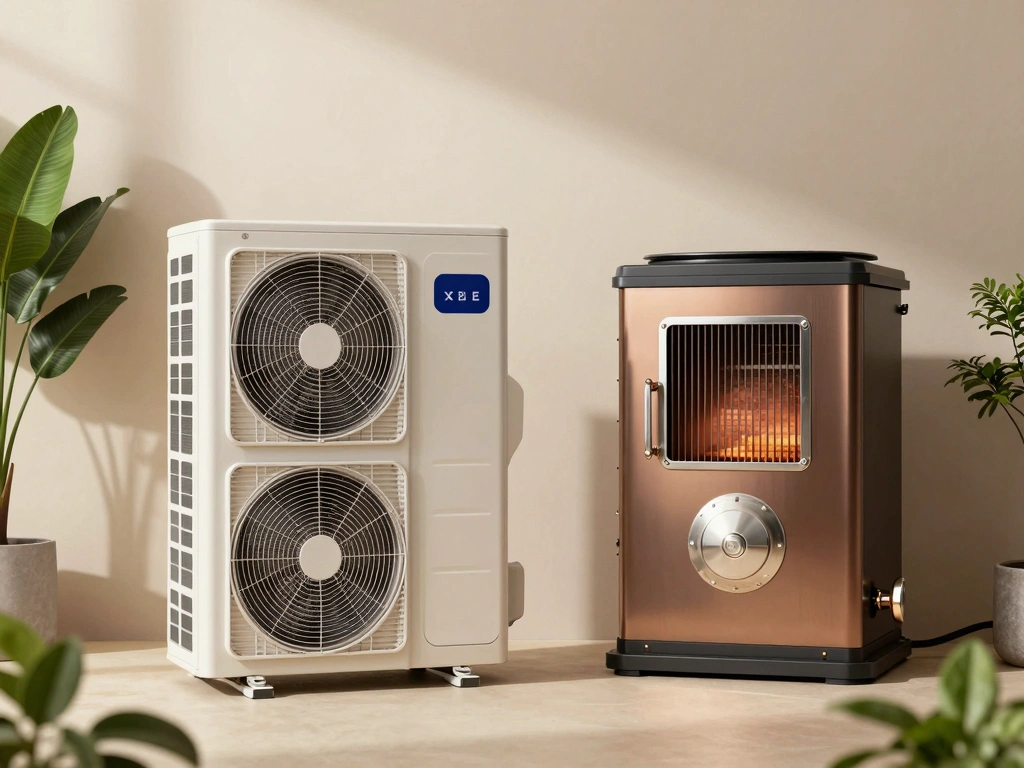
A mini split AC system is a compact heating and cooling solution that provides exceptional versatility and efficiency. It is composed of an outdoor unit that houses the compressor and an indoor unit that delivers conditioned air into the living space. The systems operate using refrigerant lines that connect the two units, eliminating the need for bulky ductwork. This characteristic not only saves space but also significantly reduces energy losses commonly associated with ducted systems.
Benefits of Mini Split AC Systems
Mini split AC systems are favored for various reasons:
- Energy Efficiency: Mini splits can be up to 30% more efficient than traditional systems because they avoid energy losses associated with ducts. Many units also have variable speed compressors that adjust to real-time cooling needs.
- Flexible Installation: These systems can be installed in various configurations, making them ideal for homes without pre-existing ductwork. Mounting options include wall-mounted, ceiling-mounted, and floor-mounted units.
- Zone Control: The ability to control the temperature in different areas of your home means you only cool or heat the spaces you are using, leading to significant energy savings.
- Quieter Operation: Mini splits operate quietly compared to many traditional systems, making them ideal for bedrooms and living areas.
Different Types of Mini Split Units
There are several types of mini split systems available, each designed for specific applications:
- Single-Zone Mini Splits: These systems are designed to cool or heat a single room or area. They are ideal for small spaces, such as bedrooms or home offices.
- Multi-Zone Mini Splits: Multi-zone systems can support multiple indoor units, allowing several rooms to be conditioned from a single outdoor compressor. This makes them suitable for larger homes or buildings where zone control is crucial.
- Heat Pump Mini Splits: These units can provide both heating and cooling, making them versatile year-round solutions. They are especially effective in moderate climates.
Installation Considerations for Mini Split ACs
How to Choose the Right Location for Installation
Proper placement of your mini split units is vital for optimal performance and efficiency. When selecting the location for installation, consider the following factors:
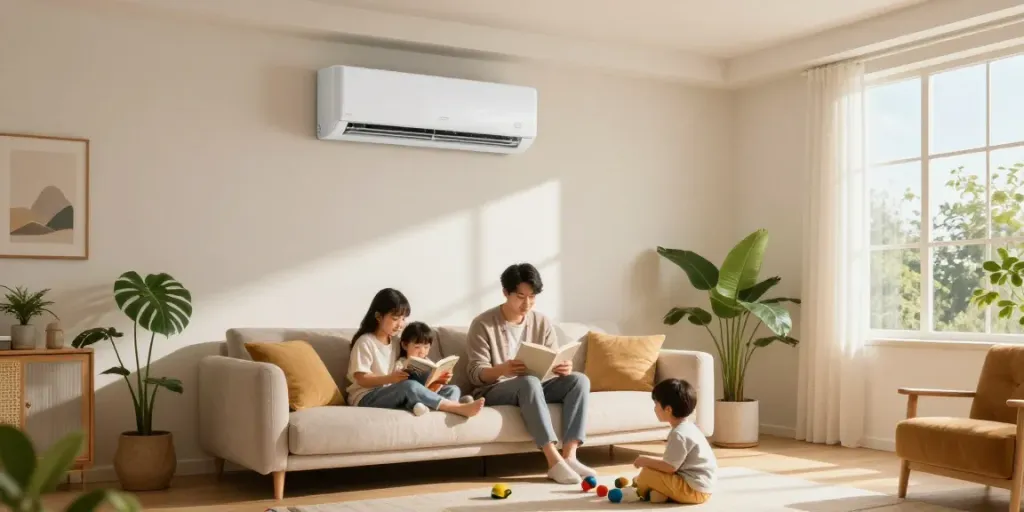
- Indoor Unit Placement: Position the indoor unit high on the wall for effective air distribution. Ensure it is unobstructed by furniture or decorations.
- Outdoor Unit Placement: Choose a location with adequate airflow and access for maintenance. Avoid areas that may become blocked by snow or debris.
- Proximity to Electrical Supply: Ensure that the installation complies with local electrical codes, and the units are near an adequate power supply for efficiency.
Professional vs. DIY Installation: Pros and Cons
Choosing between professional installation and a DIY approach can significantly impact your mini split system's performance and longevity. Here are some pros and cons:
- Professional Installation:
- DIY Installation:
Common Installation Mistakes to Avoid
When installing mini split systems, several common mistakes can lead to reduced efficiency or system failures. Avoid the following pitfalls:
- Improper sizing of the units, leading to inefficient cooling or heating.
- Inadequate insulation around refrigerant lines, causing heat loss.
- Incorrect positioning of indoor units, resulting in poor airflow and comfort levels.
Optimizing Mini Split AC Performance
Regular Maintenance Tips for Longevity
To ensure your mini split AC system operates effectively for years, regular maintenance is crucial. Here are some essential maintenance tips:
- Clean or replace air filters every month to maintain airflow and efficiency.
- Check refrigerant levels annually and have them adjusted if necessary by a professional.
- Utilize a soft brush or vacuum to clean the outdoor unit and remove debris.
Energy Efficiency Settings Explained
Understanding energy efficiency settings on your mini split AC can lead to significant savings:
- Eco Mode: This setting adjusts the cooling or heating output based on room temperature, preventing energy waste.
- Timer Functions: Use timers to optimize operation when you are home, reducing workload during absence.
How to Maximize Cooling in Your Home
To enhance the cooling effects of your mini split system, consider the following strategies:
- Use ceiling fans in conjunction with your AC to improve air circulation.
- Keep curtains and blinds closed during peak sun hours to minimize heat gain.
- Seal any gaps or leaks in windows and doors to maintain indoor temperatures.
Cost Factors and Budgeting for Mini Split ACs
Initial Investment vs. Long-Term Savings
While the initial cost of mini split systems may be higher than traditional window units, their long-term savings on energy bills can make them a worthwhile investment. Understanding the cost breakdown is crucial for budgeting:
- Upfront Costs: Include equipment, installation (if professional), and any necessary modifications to your home.
- Long-Term Savings: Reduced energy bills due to higher efficiency ratings and lower maintenance costs compared to traditional systems.
Potential Rebates and Incentives for Energy Efficiency
Many states and local governments offer rebates for installing energy-efficient systems, including mini splits. Check with your utility provider or state energy office to take advantage of potential savings and financial incentives.
Average Installation Costs in 2026
The average cost for a mini split system installation can range from $3,000 to $7,000 depending on the complexity of the system, the number of indoor units, and the location. Factors influencing costs include:
- Type of system (single-zone vs. multi-zone)
- Labor fees in your area
- Additional modifications required, such as electrical changes or wall reinforcement
Future Trends in Mini Split AC Technology
Advancements in Energy Efficiency Standards
As technology continues to evolve, mini splits are becoming even more energy-efficient. Future advancements may focus on:
- Higher SEER ratings that indicate greater cooling efficiency.
- Incorporation of innovative technologies that reduce energy consumption further.
Smart Technology Integration in Mini Split Systems
Smart home technology is making its way into mini split systems, allowing for:
- Remote control via smartphones, enabling users to adjust settings from anywhere.
- Integration with smart home systems for enhanced energy management and automation.
Predictions for Mini Split Market Growth by 2026
The mini split market is expected to continue growing due to increasing demand for energy-efficient and adaptable HVAC solutions. Analysts predict a steady rise in adoption as more homeowners recognize the benefits of these systems in comfort and energy savings.
What are the disadvantages of a mini split?
While mini split systems have many advantages, they also have some drawbacks. Common issues include:
- Higher upfront costs compared to traditional systems.
- Potential for aesthetic concerns due to visible indoor units.
- Need for professional installation to avoid inefficiencies or system failures.
Is a mini split AC worth it?
Many homeowners find that mini splits are worth the investment due to their energy efficiency, flexibility, and ability to provide targeted heating/cooling. The long-term energy savings can offset the initial costs, making them an excellent option for many households.
Why is my electric bill so high with mini split?
High electric bills may result from several factors, including improperly sized units, insufficient insulation, or overuse of the system. Regular maintenance and optimizing settings can help decrease energy consumption.
What's the average cost to put in a mini split?
The average installation cost of a mini split system can range from $3,000 to $7,000, depending on the system type and installation complexity.
How long do mini split systems last?
With proper maintenance, mini split systems can last 15 to 20 years. Regular check-ups and timely repairs can extend their lifespan and efficiency.