
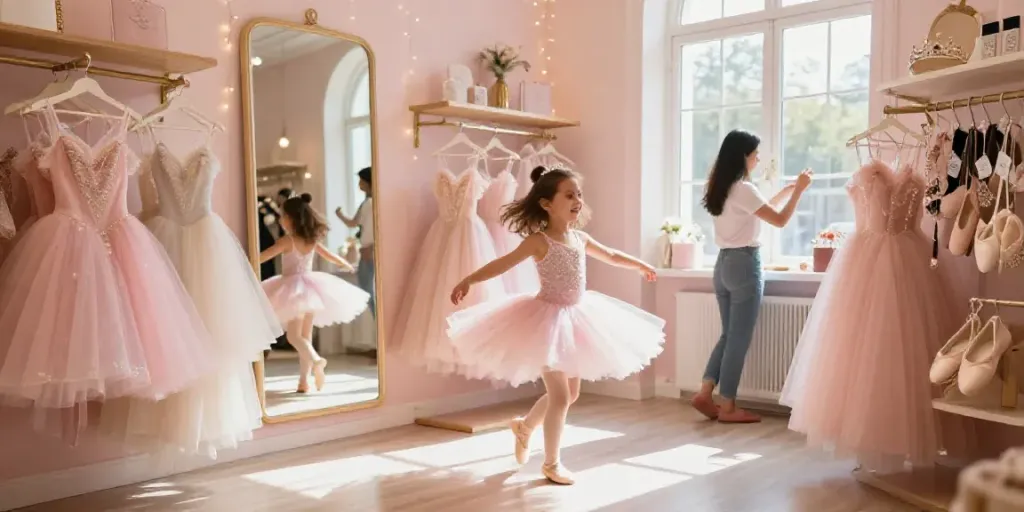
The Role of the Tutu Store in Dance Culture
In the world of dance, the tutu holds a special significance, transcending mere fabric to embody the spirit of artistry, dedication, and performance. Tutu stores play a pivotal role in this cultural landscape, providing essential attire that enhances not only the visual appeal of performances but also the experiences of dancers from all backgrounds. When exploring options, tutu store offers a myriad of choices to suit various styles, preferences, and body types, making it a key player in the dance community.
Understanding the History of Tutus
The tutu's history dates back to the 19th century, emerging from the ballet traditions of Europe. Originally crafted as simple skirts made from muslin or tulle, they were designed to allow performers to move gracefully while showcasing their flexibility and technique. Over the decades, tutu designs have evolved dramatically, adapting to different genres and periods in dance. From the romantic tutus of the classical ballet era to the more structured, contemporary designs seen today, this iconic garment continues to be an essential element of dance.
How Tutu Stores Support Local Dance Communities
Tutu stores do more than just sell dancewear; they foster community engagement by becoming hubs for local dancers, parents, and instructors. Many tutu stores host workshops, fittings, and events that encourage interaction and learning. By providing personalized service and expert advice, these establishments contribute significantly to the development of dancers at all levels. In addition, they often collaborate with local dance schools and organizations, further integrating themselves into the vibrant tapestry of the local dance culture.
The Evolution of Tutu Designs and Styles
As dance styles have diversified, so too have tutu designs. Today, dancers can find tutus tailored to various forms of dance, including ballet, contemporary, and even theatrical performances. From layered romantic styles to more modern and avant-garde interpretations, the variety of options reflects the versatility of dance itself. Manufacturers are now incorporating innovative materials and techniques, which allow for enhanced performance, longevity, and aesthetics, thus catering to the evolving needs of dancers.
Choosing the Right Tutu for Performance
Selecting the right tutu for a performance is crucial, as it can significantly impact a dancer's performance and confidence on stage. Understanding the specific requirements of various dance styles is essential for making informed choices.
Factors to Consider for Different Dance Styles
When choosing a tutu, dancers must consider the requirements of their specific dance genre. For instance, ballet tutus are generally stiff and structured to maintain form, while contemporary styles may incorporate softer, flowy fabrics to allow for freer movement. Factors such as the length, weight, and silhouette of the tutu can affect not only appearance but also performance, especially during complex choreography.
Common Mistakes When Buying Tutus
Many dancers make common mistakes when purchasing tutus, such as prioritizing style over fit or overlooking the quality of materials. A poorly fitted tutu can lead to discomfort and hinder performance, while a visually stunning design may lack the necessary functionality. Therefore, it is essential to try on various styles and consult with knowledgeable staff at tutu stores to find the best match.
Expert Tips for Selecting the Perfect Fit
To ensure the perfect fit, dancers should follow several expert tips. First, always measure accurately before purchasing, as sizes can vary significantly between brands. Second, consider the intended use of the tutu—will it be worn for practice, performances, or competitions? Finally, dancers should consider their body type and movement style. A professional fitting at a specialized tutu store can provide insights and recommendations that lead to the ideal purchase.
Quality and Craftsmanship in Tutu Construction
Quality and craftsmanship are paramount when it comes to tutu construction. A high-quality tutu not only enhances a dancer's performance but also ensures durability and comfort during wear.
Materials Used in Modern Tutus
Modern tutus are crafted from a variety of materials, each selected for specific properties. Common fabrics include tulle, organza, and satin, which provide different levels of stiffness and fluidity. Additionally, many manufacturers are exploring sustainable and technologically advanced materials that enhance performance and comfort, reflecting a growing trend toward environmentally friendly production.
How Craftsmanship Impacts Performance
The craftsmanship of a tutu can significantly impact a dancer's performance. Well-constructed tutus incorporate techniques that allow for ease of movement, such as properly placed seams and flexible waistbands. Furthermore, attention to detail in construction, such as reinforced stitching and high-quality fabric choices, ensures that the tutu lasts through many performances without compromising function or form.
Recognizing Quality in Tutu Fabrics and Designs
To identify quality in tutu fabrics and designs, dancers should look for a few key indicators. First, examine the fabric for sturdiness and weight, as a well-made tutu should feel substantial yet light enough to allow for movement. Second, inspect the stitching and seams for consistency and strength. Finally, check for features such as lining or padding that can enhance comfort and fit, particularly for longer wear.
Marketing Strategies for Tutu Stores
Effective marketing strategies are essential for tutu stores to thrive in a competitive marketplace, especially as consumer preferences evolve and shift.
Building an Online Presence for Your Tutu Store
In today's digital age, having a strong online presence is crucial. Tutu stores should invest in an engaging website that showcases their products, provides useful resources, and allows for easy navigation. Incorporating quality images, detailed product descriptions, and customer testimonials can significantly enhance user experience and drive sales. Additionally, leveraging SEO best practices can help increase visibility and attract potential customers searching for tutu-related products online.
Engaging Customers through Social Media
Social media platforms present excellent opportunities for tutu stores to engage with customers and promote their offerings. Regularly posting relevant content—such as styling tips, behind-the-scenes looks at production, and customer showcases—can help create a loyal community. Moreover, utilizing platforms like Instagram and TikTok to display visually appealing products can capture the attention of potential buyers, particularly younger audiences.
The Importance of Customer Reviews and Feedback
Customer reviews and feedback are invaluable for tutu stores, as they provide insights into product performance and customer satisfaction. Actively encouraging customers to leave reviews and responding to feedback can build trust and credibility. Positive reviews can serve as powerful marketing tools, while constructive criticism can help businesses improve their products and services.
Future Trends in Tutu Fashion (2026 and Beyond)
The landscape of tutu fashion is continuously evolving, influenced by societal trends, technological advancements, and shifts in dance culture.
Emerging Trends in Dancewear Design
As we look toward 2026 and beyond, emerging trends in dancewear design are expected to reflect more personalized and inclusive options. Dancers are increasingly seeking attire that caters to individual styles and body types, pushing designers to rethink traditional molds. Expect to see innovative fabrics and designs that merge comfort with performance, allowing dancers to express their unique identities through their costumes.
Technological Innovations in Fabric and Sustainability
Technological advancements are set to play a significant role in the future of tutu production. Innovations in fabric creation, including moisture-wicking materials and breathable fabrics, will enhance performance comfort. Additionally, sustainability will remain a core focus, with brands increasingly adopting eco-friendly practices throughout their supply chains, from sourcing materials to production processes.
How Tutu Stores Can Adapt to Changing Markets
To stay relevant in the ever-changing market, tutu stores must remain flexible and responsive to trends. Regularly updating inventory to include the latest styles and materials can attract a broader range of customers. Additionally, engaging with local dance communities and incorporating their feedback into product offerings will strengthen customer loyalty and foster goodwill.
What Makes a Tutu Store Stand Out in a Competitive Market?
In a saturated market, a tutu store can stand out by offering unique products, personalized customer service, and community engagement. Providing customized fitting services and expert advice can enhance the shopping experience and keep customers returning. Moreover, establishing a strong narrative around the brand—highlighting commitment to quality, craftsmanship, and community—can resonate deeply with customers and differentiate the store from competitors.
How to Leverage Local Dance Events and Communities for Growth?
Local dance events present excellent opportunities for tutu stores to connect with potential customers and build brand awareness. Sponsoring events, participating in community festivals, or hosting workshops can create visibility and foster community relationships. Furthermore, collaborating with local dance schools for exclusive promotions and partnerships can establish a strong, supportive network that benefits both the store and local dancers.