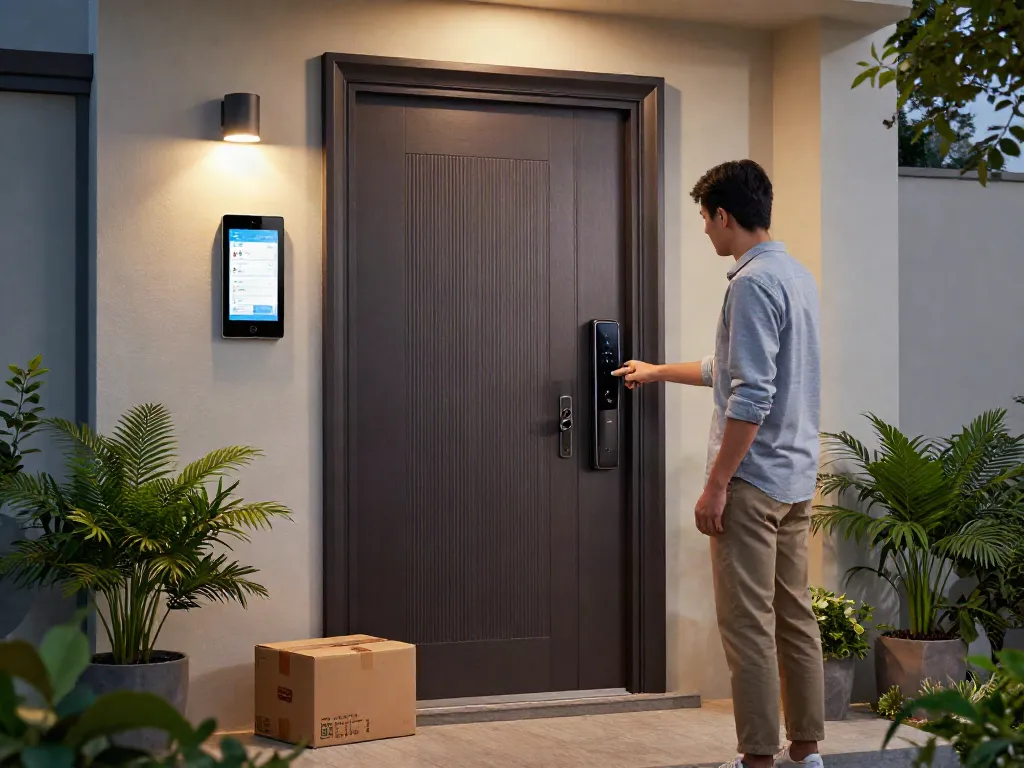
Understanding Smart Locks: The Future of Home Security
In an era where security technology is rapidly evolving, قفل هوشمند (smart locks) have emerged as a revolutionary solution for home and business security. Unlike traditional locks, smart locks offer advanced features such as remote access, biometric recognition, and integration with smart home systems. This article aims to provide a comprehensive understanding of smart locks, their functionalities, and how they can enhance safety and convenience in our daily lives.
What is a Smart Lock?
A smart lock is an electronic locking device that allows you to control access to your home or office through a mobile application, keypad, biometric scanner, or security tags. This innovation eliminates the need for traditional keys, providing a more secure and convenient method of entry. Smart locks can also allow you to generate temporary access codes for guests or service providers, ensuring that you maintain control over who enters your property.
The Evolution of Home Security Systems
Home security has come a long way from the basic locks and keys of the past. As technology advanced, the introduction of electronic locks laid the foundation for today’s smart locks. Initially, these electronic systems were primarily used in commercial settings, but their affordability and convenience have made them increasingly popular among homeowners. Today’s smart locks often feature Wi-Fi or Bluetooth connectivity, enabling users to manage access from anywhere in the world.
Types of Smart Locks Available
- Keypad Smart Locks: These devices require a code to unlock, giving users the ability to change access codes easily.
- Biometric Smart Locks: Utilizing fingerprint or facial recognition technology, these locks offer advanced security by recognizing unique personal identifiers.
- Smartphone-Connected Locks: These locks allow users to unlock doors via a mobile app, which can be particularly useful for remote monitoring.
- Deadbolt Smart Locks: They combine the features of traditional deadbolts with smart technology for enhanced security.
Key Features of Smart Locks to Consider
Security Features: Biometric vs. Keypad Options
When choosing a smart lock, one of the primary considerations should be the security features it offers. Biometric locks are often considered the gold standard due to their difficulty in being replicated, providing a high level of security. On the other hand, keypad locks offer the advantage of being user-friendly and are less expensive than their biometric counterparts.
Integration with Smart Home Systems
Smart locks can seamlessly integrate with various smart home systems, such as Amazon Alexa, Google Home, or Apple HomeKit. This integration allows for voice commands and automation, enhancing the user experience. For instance, you could set your smart lock to automatically unlock when you arrive home, or to lock when you leave.
Remote Access and Monitoring Capabilities
Many smart locks come with remote access capabilities, which enable homeowners to monitor who is entering and exiting their property from anywhere. This feature is particularly beneficial for those who travel frequently or manage rental properties, offering peace of mind with real-time updates and alerts.
Choosing the Right Smart Lock for Your Home
Assessing Your Security Needs
Before deciding on a smart lock, it's essential to assess your security needs. Factors to consider include the type of property you are securing, the level of access control you require, and whether you want added features like remote monitoring or integration with existing smart home devices. It's advisable to seek products from reputable brands that offer strong security features and reliable customer support.
Budget Considerations: Affordable to Premium
Smart locks are available at various price points, catering to a wide range of budgets. Entry-level models may offer basic functionalities, while premium options include advanced features like biometric access and remote management capabilities. Determine your budget and prioritize the features that are most important for your security needs.
Installation and Maintenance Factors
Installation is another key factor to consider when purchasing a smart lock. Some models are designed for easy DIY installation, while others may require professional assistance. Additionally, consider the maintenance requirements, such as battery changes or software updates, to ensure the lock’s continuous operation.
Benefits of Using a Smart Lock
Enhanced Security Compared to Traditional Locks
Smart locks offer a higher level of security compared to traditional locks. Many models include features such as tamper alerts and automatic locking mechanisms, which enhance protection against unauthorized access. Moreover, the ability to create temporary codes for guests means you can ensure that your home remains secure even when you are not present.
Convenience and Accessibility Features
Smart locks eliminate the need for carrying physical keys, making it easier to access your home. With options for biometric entry, smartphone control, or keypad access, users can choose the method that best fits their lifestyle. This accessibility is particularly beneficial for families with children or elderly members who may have difficulty managing traditional keys.
Tracking Entry and Exit Logs for Safety
Many smart locks come equipped with features that allow for tracking entry and exit logs. This functionality provides homeowners with valuable insights into who is entering or leaving their home and at what times. Such data can be critical for ensuring the safety of family members and managing household access effectively.
Future Trends in Smart Lock Technology
Developments in Biometric Recognition
The future of smart locks will likely see advancements in biometric recognition technologies, making them faster and more reliable. Innovations such as multi-factor authentication, which combines different methods of verifying identity, will become increasingly common, enhancing security even further.
Integration with AI and Machine Learning
As artificial intelligence and machine learning technologies develop, we can expect smarter locks that learn user behavior and adapt to improve security. For example, these locks might automatically suggest access codes based on patterns of use or alert homeowners to unusual activity.
Security Protocols for Advanced Protection
With the rise of smart technology comes the increased risk of cyber threats. Future smart locks will likely incorporate advanced security protocols to combat hacking and unauthorized access, ensuring that personal data and home security remain robust.
What are the benefits of Smart Locks?
Smart locks provide numerous benefits, including enhanced security, convenience, and the ability to monitor and control access remotely. These features make them an attractive choice for modern homeowners seeking effective solutions for home safety.
How secure are smart locks?
Smart locks are generally very secure, particularly those employing biometric technology or strong encryption methods. However, the level of security can vary between products, making it vital to choose a reputable brand that meets high standards of quality and safety.
Can smart locks be hacked?
While no system is entirely immune to hacking, most smart locks come with robust security measures to minimize risks. Regular software updates and strong passwords can further enhance protection against unauthorized access.
What types of smart locks are available?
Smart locks come in various types, including keypad, biometric, smartphone-connected, and deadbolt versions. Each type offers different functionalities and security features, allowing consumers to choose based on their specific needs.
How do I choose the right smart lock?
Choosing the right smart lock involves considering your security needs, budget, desired features, and installation requirements. Researching different products and reading user reviews can also help in making an informed decision.